
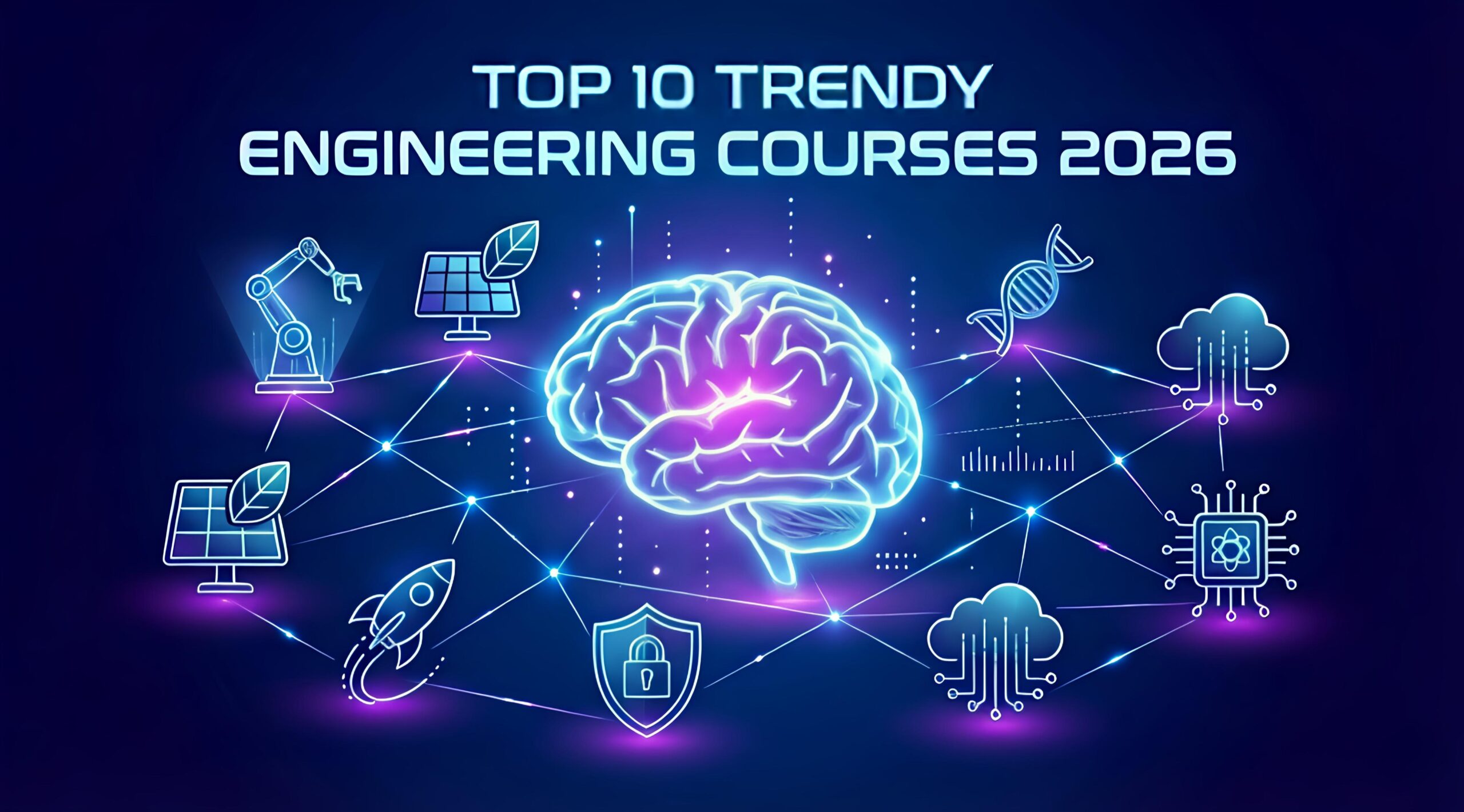
In 2025, the engineering job market looks completely different from what it was a decade ago. Back then, a degree in Mechanical, Electrical, or Computer Engineering was enough to land a good role. Today, however, the demand has shifted dramatically toward industry-specific skills and specialized domains driven by artificial intelligence, sustainability, and digital transformation.
The rise of Industry 4.0, Generative AI, and climate technology means engineering students need to specialize early. Recruiters no longer seek “generalist engineers”; instead, they value candidates who master technologies that shape the future. Whether you are a first-year student exploring electives or a final-year student looking to enhance your resume, these cutting-edge courses can help you future-proof your career and maximize your earning potential.
Here are the top 10 trending courses for engineering students in 2025 that offer excellent career growth, global demand, and a high return on investment.

There’s no denying it—Generative AI is the most powerful trend in 2025. It’s transforming industries from education and healthcare to finance and entertainment. This course focuses on developing, fine-tuning, and deploying AI models like OpenAI’s GPT series or Meta’s Llama models.
What you’ll learn: Retrieval-Augmented Generation (RAG), prompt engineering, model optimization, and frameworks such as LangChain and Hugging Face.
Why it’s trending: Organizations are building private AI assistants and chatbots to automate internal processes, analyze documents, and improve customer experiences.
Career options: AI Engineer, NLP Specialist, Prompt Engineer, AI Product Manager.

Digital transformation has expanded the attack surface for cybercriminals. As companies migrate to cloud platforms, cybersecurity professionals are in higher demand than ever.
What you’ll learn: Network defense, penetration testing tools (Kali Linux, Burp Suite), cryptography, risk management, and cloud security protocols.
Why it’s trending: Cybercrime damages are projected to cost the global economy over $10 trillion annually by 2025. That’s why organizations are hiring security experts who can think like hackers and protect data proactively.
Career options: Information Security Analyst, Ethical Hacker, Security Architect, SOC Engineer.
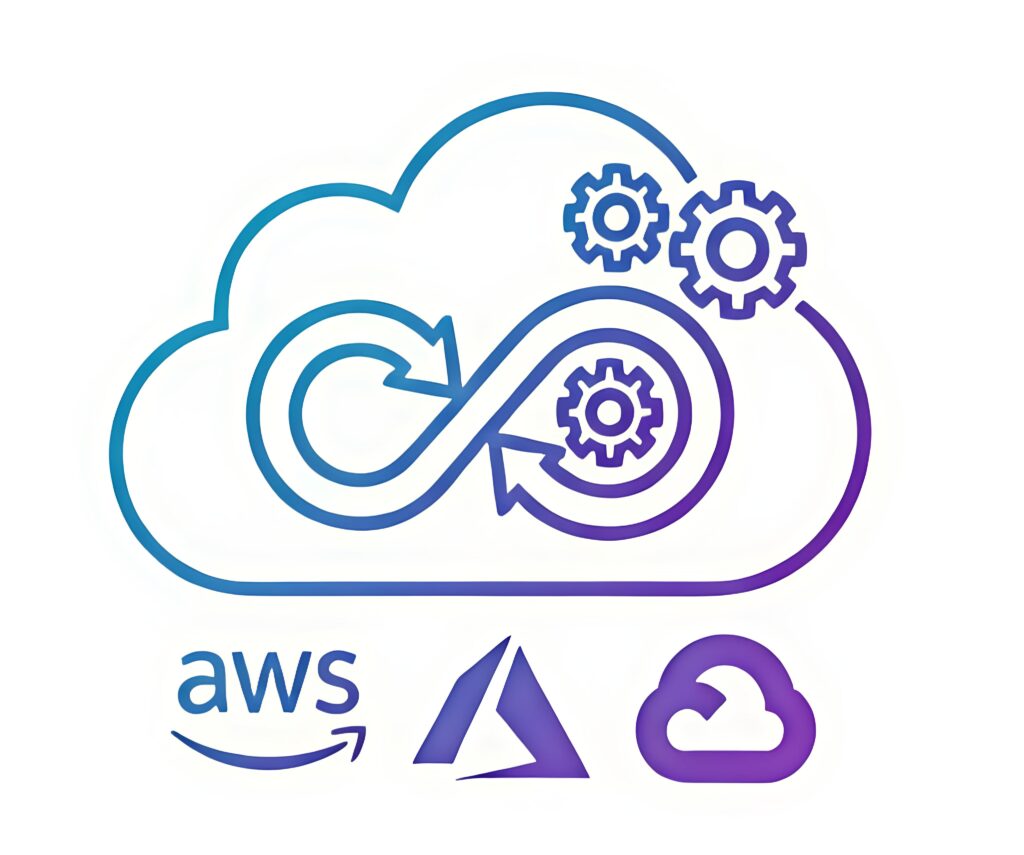
Modern engineering doesn’t end at coding—it’s about deployment, scalability, and reliability. DevOps bridges the gap between software development and IT operations, creating seamless automated workflows.
What you’ll learn: CI/CD pipeline management, Docker and Kubernetes orchestration, Infrastructure as Code (Terraform), and hands-on projects using AWS, Azure, and Google Cloud.
Why it’s trending: Every enterprise moving to the cloud needs DevOps engineers who can handle complex distributed systems and ensure software runs optimally across environments.
Career options: DevOps Engineer, Cloud Architect, Site Reliability Engineer (SRE).

Data is the foundation of smart decision-making in every business. Learning how to collect, visualize, and interpret data can open endless career paths in big data and analytics.
What you’ll learn: SQL, Python (Pandas, NumPy), machine learning models, statistical analysis, and data visualization tools like Power BI, Tableau, or Matplotlib.
Why it’s trending: Companies no longer settle for descriptive reports; they want predictive models that forecast trends, customer behavior, and market fluctuations.
Career options: Data Scientist, Business Intelligence Engineer, Predictive Analytics Consultant.
With manufacturing and logistics increasingly relying on automation, robotics engineers are becoming vital in the workforce.
What you’ll learn: Embedded systems (Arduino, Raspberry Pi), sensor networks, Internet of Things (IoT) integration, and industrial control systems.
Why it’s trending: Smart factories, autonomous vehicles, and warehouse robotics are expanding rapidly across defense, automotive, and logistics sectors.
Career options: Robotics Engineer, IoT Solutions Architect, Automation Engineer, Mechatronics Specialist.

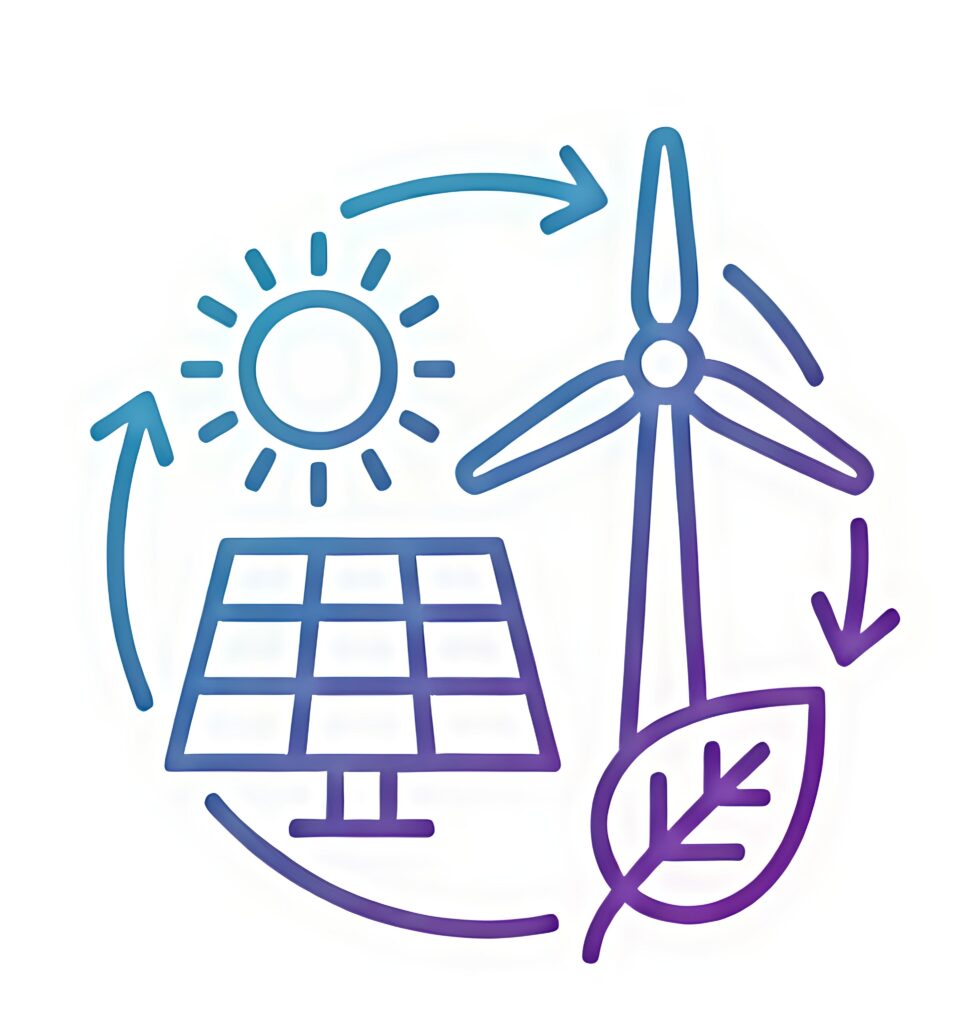
The global push for Net-Zero emissions and sustainable technologies has created incredible career opportunities in renewable energy. This course trains engineers to innovate in solar, wind, and EV infrastructure systems.
What you’ll learn: Energy storage systems, battery management, solar PV design, grid integration, and environmental impact modeling.
Why it’s trending: Governments and corporations worldwide are investing billions in green technology to combat climate change and transition to renewable power grids.
Career options: Solar Energy Engineer, Battery Systems Engineer, Renewable Energy Consultant.

Beyond cryptocurrency, blockchain is revolutionizing supply chains, healthcare, digital identity, and voting systems.
What you’ll learn: Smart contract development (Solidity), Web3 frameworks, decentralized app (dApp) building, and blockchain architecture using Hyperledger or Ethereum.
Why it’s trending: Transparency and trust are critical for modern systems. Blockchain provides immutable, secure transaction solutions for fintech, logistics, and government projects.
Career options: Blockchain Developer, Smart Contract Auditor, Web3 Architect.

The pandemic accelerated the convergence of health and engineering. Biomedical engineering now sits at the forefront of medical innovation.
What you’ll learn: Bioinformatics, medical image processing, sensor-based wearable tech, and prosthetic design.
Why it’s trending: Global healthcare demands modern solutions—from AI diagnostics to IoT-enabled health monitoring devices. This field allows engineers to create technology that saves lives.
Career options: Medical Device Engineer, Clinical Engineer, Biotech Product Designer.

Quantum computing remains in its experimental stage, but its potential impact is enormous. Engineers entering now will shape the technologies of tomorrow.
What you’ll learn: Quantum gates, superposition, entanglement, and algorithms such as Shor’s and Grover’s. Tools include Qiskit and Cirq.
Why it’s trending: Major players like IBM, Google, and Microsoft are investing billions in developing quantum processors capable of solving problems classical computers never could.
Career options: Quantum Software Developer, Quantum Research Scientist, Quantum Hardware Engineer.
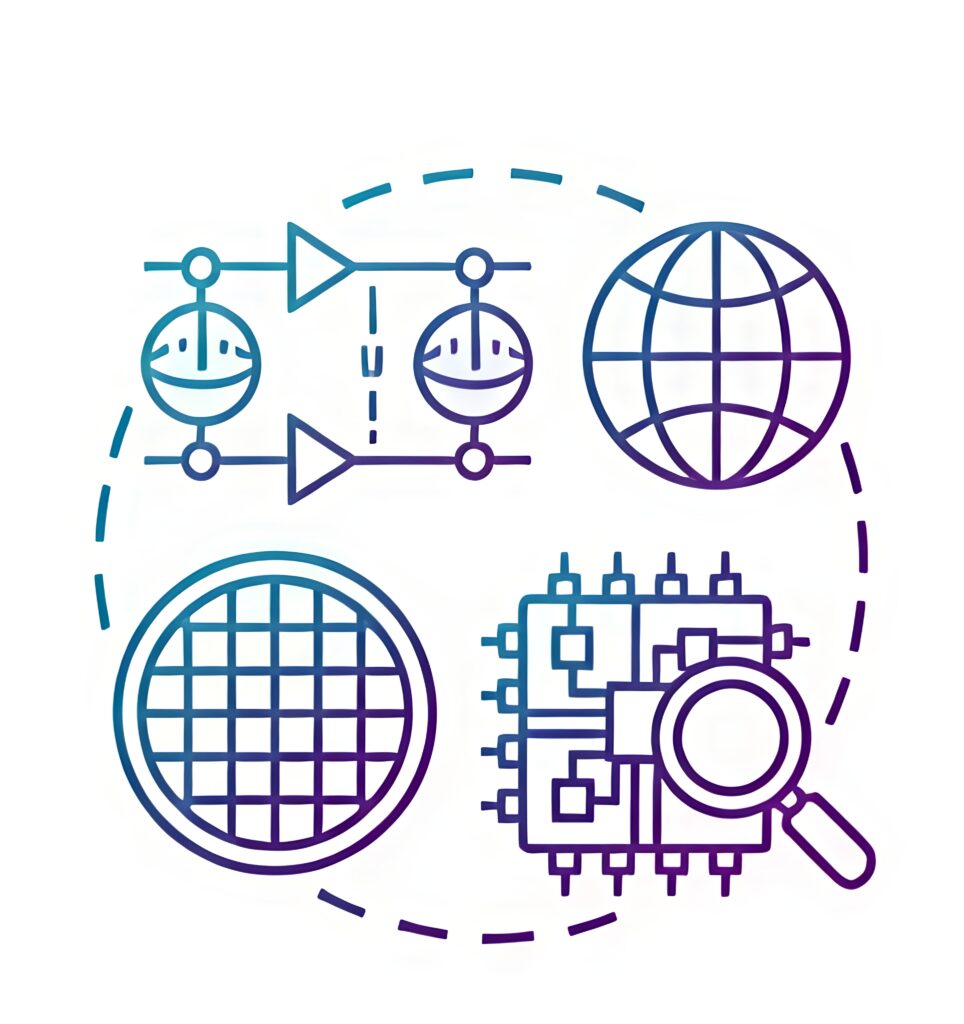
Amid global chip shortages, VLSI (Very Large Scale Integration) professionals are in high demand. Semiconductor engineering powers modern computing, automotive tech, and even smart appliances.
What you’ll learn: Digital logic design, Verilog/VHDL, CMOS technology, and FPGA design principles.
Why it’s trending: Governments worldwide are establishing semiconductor fabrication plants, making this industry essential for national technology independence.
Career options: VLSI Design Engineer, Verification Engineer, ASIC/FPGA Engineer.
🔥Bonus: Emerging Fields to Watch
Besides the top 10 domains, a few other specialized areas are gaining traction in 2025:
- Augmented and Virtual Reality (AR/VR) Engineering – For gaming, simulation, and design training.
- Autonomous Systems and Drone Technology – Revolutionizing logistics and surveillance.
- Edge Computing – Bringing computation closer to devices for low-latency AI applications.
🏁Final Thoughts: Learn, Build, and Showcase
The best way to stand out as an engineer in 2025 is not just by learning—it’s by building real-world projects. Employers look for hands-on experience and creativity displayed in portfolios and GitHub repositories.
If you’re studying AI, create a chatbot that organizes your notes. If you’re learning IoT, build a sensor-based home automation system. These projects prove your technical ability and problem-solving mindset more than any certificate ever could.
Start early, explore emerging technologies, and commit to lifelong learning. With the right specialization and hands-on experience, engineering students in 2025 can shape the next decade of technological progress.
Disclaimer: This content is for educational and informational purposes only and should not be taken as professional career or financial advice.
Leave a Reply