
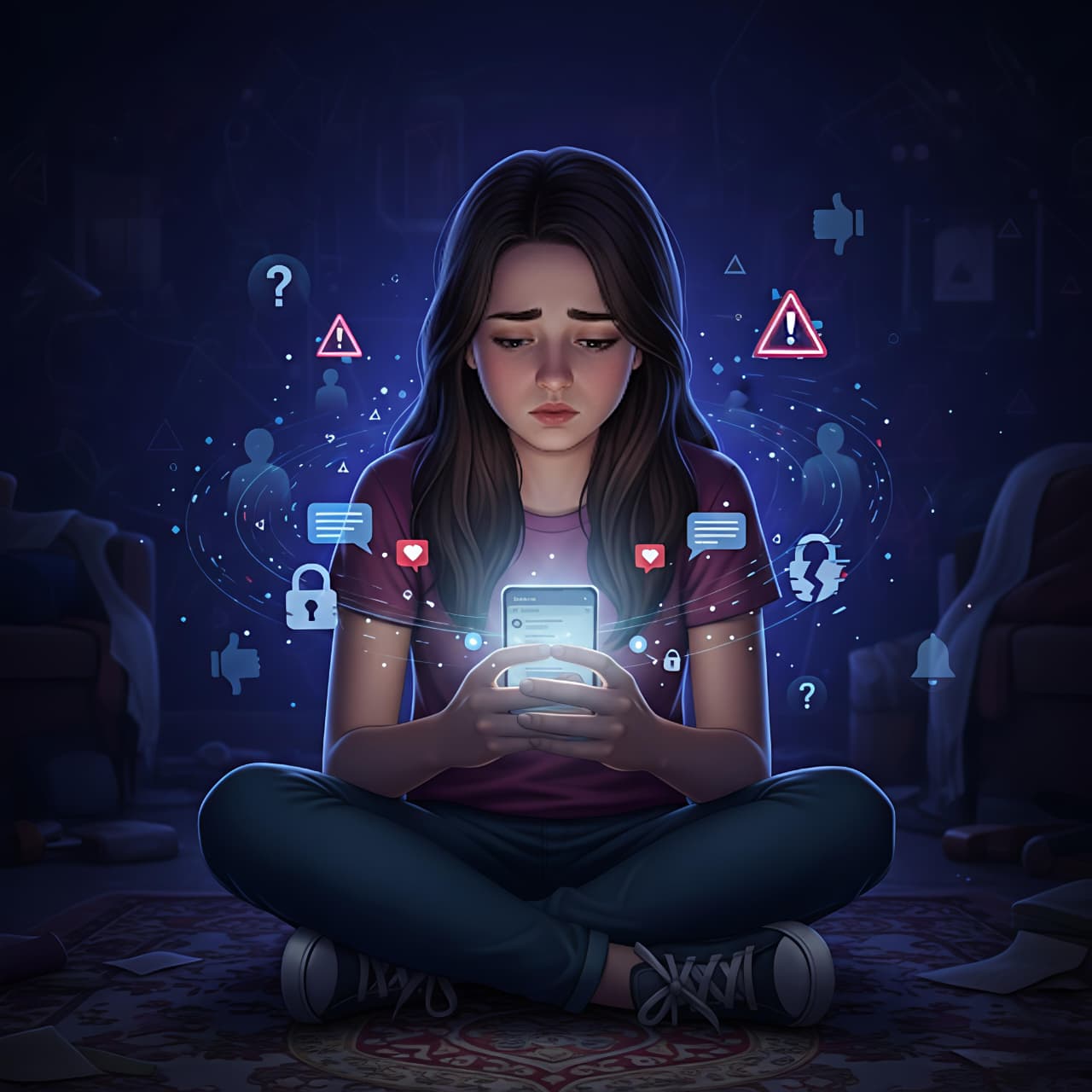
Instagram is not fully safe for teenagers, even with new “Teen Account” features and parental tools, because serious risks like mental health harm, sexualized content, cyberbullying, and online predators remain widespread on the platform. It can be used more safely with strict settings, active supervision, and clear family rules, but parents and teens should treat it as a high‑risk environment rather than a harmless social app.

Why Instagram Feels Unsafe for Teens
Instagram is deeply woven into teen life, but usage patterns show it is an intense, always‑on environment rather than casual entertainment. Research suggests that heavy use and weak parental monitoring together create the most dangerous conditions for teen mental health.
Key realities:
- Around 93–95% of teens use social media, with many spending 4–5 hours per day on it.
- A large share of teens say social media harms their sleep, productivity, and overall mental health.
- Government and health bodies now warn that social media use in youth may need warning labels similar to tobacco because of mental health risks.
Hidden Mental Health Dangers
Instagram is designed around images, comparison, and constant feedback, which can quietly wear down teenagers’ self‑esteem. These harms are not always obvious to parents because they happen through private scrolling rather than public posts.
Major mental health risks:
- Depression and anxiety: Teens who are among the heaviest social media users are far more likely to rate their mental health as poor or very poor, and to report suicidal thoughts or self‑harm.
- Body image issues: Internal research and independent studies show that Instagram worsens body image issues for a significant portion of teenage girls, who often blame the platform for feeling worse about their appearance.
- Sleep and academic impact: Many teens say social platforms hurt their sleep and grades, especially when late‑night notifications and fear of missing out keep them online.
- Addictive design: Infinite scroll, algorithmic “For You” style feeds, and constant notifications are engineered to maximize time on app, making it harder for teens to log off even when they feel bad.
Safety Tools vs Reality
Instagram has introduced “Teen Accounts” and new safety settings, but multiple independent reviews say these tools are far from enough. The gap between what the company promises and what teens actually experience is one of the most important hidden dangers.
What Instagram claims to do:
- Automatically set accounts of under‑18s to private and restrict late‑night notifications to protect sleep.
- Limit harmful content, reduce unwanted contact from strangers, and give parents more oversight tools.
- Promote “built‑in protections” so that teen accounts are supposedly safer by default.
What independent researchers are finding:
- A case study of teen accounts found that new users were still exposed to risky recommendations, hidden advertising, sexualized content, and addictive patterns.
- One analysis found that about two‑thirds of supposed safety tools for teens were ineffective, poorly maintained, or quietly altered or removed.
- Surveys of 13–15‑year‑olds reported that nearly 60% had encountered unsafe content or unwanted messages on Instagram in just six months, and many did not even bother reporting it because they were “used to it.”
Cyberbullying, Predators, and Sexual Pressure
Beyond mental health, Instagram exposes teens to direct interpersonal dangers that are often invisible to adults. These include bullying, grooming, sextortion, and pressure to share intimate images.
Key interpersonal risks:
- Cyberbullying and harassment: Teens can face insults, exclusion, rumor‑spreading, and comment attacks in posts, DMs, and group chats, which strongly correlate with depression, anxiety, and self‑harm.
- Online predators and grooming: Predators can hide behind friendly messages, fake profiles, and flattering attention to build trust and manipulate teens into sharing personal information or photos.
- Sextortion and intimate image abuse: Many young people report pressure to share intimate photos, often under emotional manipulation or threats; once shared, those images can spread rapidly and be used for blackmail.
- Exposure to self‑harm and suicidal content: Investigations show that even teen accounts can still surface or be exposed to content related to suicide and self‑harm, despite official rules.
These harms are “hidden” because grooming, sextortion, and harassment mostly occur in private messages and closed groups rather than public posts.
Algorithm, Content, and Misinformation
What teens see on Instagram is controlled by algorithms that prioritize engagement, not safety. That means shocking, extreme, or unrealistic content can be pushed to teens even when they did not search for it.
Content‑driven risks:
- Sexualized and adult content: Case studies show that even new teen accounts can quickly be pushed towards sexualized content through recommendations, especially when they interact with popular trends.
- Unhealthy ideals: Teens are frequently exposed to idealized bodies, perfect lives, intense fitness or diet content, and “hustle” lifestyles, which feed comparison, insecurity, and disordered eating.
- Misinformation and harmful advice: Teens may encounter misleading “advice” about mental health, dieting, substances, or self‑harm that is not grounded in science and can encourage unhealthy behavior.
- Younger children on Instagram: Research has found evidence that children under 13 are still on the platform, with algorithms incentivizing risky sexualized behaviors among some of them despite age rules.
Because the algorithm learns from every like, view, and pause, a teen can drift into darker or more extreme content even if they start with harmless interests.
When Can Instagram Be Used More Safely?
Instagram is not “safe,” but it can be made safer when teens, parents, and guardians actively manage how it is used. The goal is not blind trust in built‑in tools, but conscious, ongoing supervision and open communication.
Conditions that lower risk:
- Strong parental monitoring and relationship: Teens with high social media use but strong parental monitoring and good family relationships have far better mental health outcomes than those with low monitoring and weak relationships.
- Time limits: Teens who spend fewer hours per day on social media have lower rates of depression, anxiety, and suicidal thoughts.
- Clear boundaries: Setting clear rules around what can be shared, who can message, and when the app can be used reduces vulnerability to harassment, grooming, and sleep disruption.
- Digital literacy: Teaching teens how algorithms work, how predators behave, and why certain content is harmful can make them more skeptical and cautious.
Practical Safety Checklist for Parents and Teens
To make Instagram use as safe as possible, treat setup and supervision like you would with a motorbike: useful, but dangerous without proper training and protective gear.
Account and privacy settings:
- Set the account to private and review the follower list regularly; remove anyone the teen does not know offline.
- Turn off location tagging or limit it to very general locations, not home, school, or regular hangouts.
- Restrict who can comment or send DMs to “people you follow” or “close friends” only, especially for younger teens.
- Enable content filters and limit sensitive content as much as possible through Instagram’s settings.
Time and usage rules:
- Agree on daily screen‑time limits and “no‑phone” hours, especially at night to protect sleep.
- Keep devices out of the bedroom overnight to reduce secret late‑night scrolling and messaging.
- Encourage regular “social media breaks” when mood is low or school stress is high, and model that behavior as adults.
Communication and education:
- Talk openly about cyberbullying, grooming, sextortion, and mental health so teens recognize red flags early.
- Make a rule that the teen can come to a trusted adult immediately if they receive threatening, sexual, or blackmail‑type messages, without fear of automatic punishment.
- Teach teens to critically evaluate content, including idealized bodies, extreme political posts, or “miracle” health advice.
Reporting and intervention:
- Show teens how to block, mute, and report users and content; practice it together using examples.
- Document serious harassment or sextortion attempts with screenshots, then report to the platform and, where appropriate, to law enforcement or child‑protection organizations.
- If mood, sleep, grades, or behavior suddenly worsen, treat heavy Instagram or social media use as a potential contributing factor and consider involving a mental health professional.
Final Takeaway for SEO‑Friendly Readers
Is Instagram really safe for teenagers? The evidence says no: while it offers connection and creativity, it also exposes teens to mental health risks, cyberbullying, predators, sexual pressure, and harmful content that current safety tools do not fully control. Parents, teachers, and teens who understand these hidden dangers and actively manage privacy, time limits, and communication can reduce risks, but they should never assume that a “teen account” alone makes Instagram a safe space for young users.
🔗 Related Reads
If you care about online privacy and how social platforms influence what you see, don’t miss these important guides:
👉 New Internet Rules 2025: What Websites Can Track About You Now
https://techhubb.blog/new-internet-rules-2025-what-websites-can-track-about-you-now/
👉 New Instagram AI Update: Shape Your Reels Experience
https://techhubb.blog/new-instagram-ai-update-lets-you-shape-your-reels-experience/
Leave a Reply