
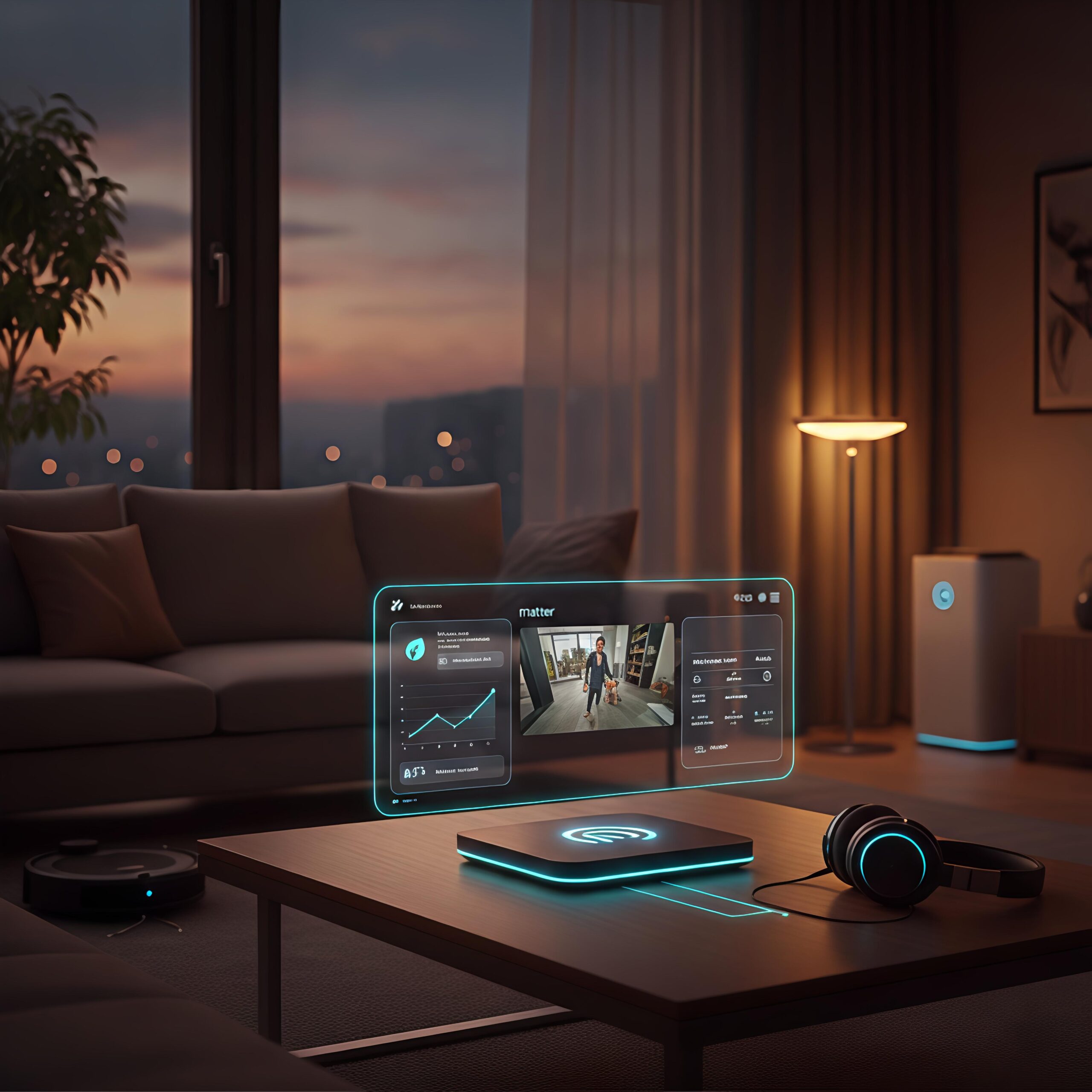
Home automation transforms ordinary houses into intelligent spaces that adapt to your lifestyle with minimal effort. In 2026, advancements in AI and connectivity make it easier than ever to create efficient, secure smart homes tailored for modern living.
Defining Home Automation
Home automation refers to the use of technology to control household systems remotely or automatically. Devices like smart lights, thermostats, and locks connect via networks such as Wi-Fi or Zigbee, allowing centralized management through apps or voice commands. This setup eliminates manual tasks, from adjusting temperatures to monitoring security, saving time and resources.
Core components include sensors for detecting motion or temperature, hubs like Amazon Echo or Google Nest for coordination, and protocols ensuring devices communicate seamlessly. Unlike basic remote controls, automation learns patterns—dimming lights at dusk or preheating ovens—enhancing daily comfort without intervention.
Evolution to 2026 Standards
Smart homes have progressed from simple timers in the 1970s to AI-driven ecosystems today. By 2026, the global market exceeds $147 billion, driven by interoperability standards like Matter, which unifies brands such as Apple, Google, and Samsung.
Predictive automation now anticipates needs using machine learning; for instance, systems analyze weather data to optimize heating before you arrive home. Energy management integrates solar forecasting and real-time tracking, cutting costs by up to 40% while promoting sustainability.
Key Benefits of Smart Homes
Automation boosts convenience by syncing devices—for example, lights and music activating upon entry. Security improves with AI cameras recognizing faces and alerting authorities, reducing false alarms through object detection.
Energy efficiency stands out, as smart thermostats like Ecobee adjust based on occupancy, slashing bills. Health features monitor air quality and lighting for better sleep, linking to wearables for holistic wellness tracking.
Cost savings accumulate over time; initial investments pay off via lower utility bills and insurance discounts for monitored homes. Enhanced property value appeals to tech-savvy buyers in competitive markets.
Top Trends Shaping 2026
Predictive AI Integration
AI evolves from reactive to proactive, learning routines to automate tasks like adjusting blinds for natural light. Systems predict air purifier activation from local pollution data, prioritizing health seamlessly.
Whole-Home Voice Control
Voice assistants embed into walls and appliances, offering multi-room awareness without extra speakers. Privacy features like on-device processing ensure secure, responsive interactions across the house.
Advanced Energy Optimization
Dynamic load balancing shifts power to high-priority devices during peak hours. Solar-integrated systems forecast production, storing excess for evenings and minimizing grid reliance.
AI-Enhanced Security
Beyond cameras, biometric locks and drone patrols detect anomalies. Integration with emergency services enables instant alerts, while facial recognition grants access only to trusted individuals.
Wellness-Focused Features
Homes track sleep via sensors, adjusting circadian lighting and humidity. Air quality monitors trigger ventilation, and integration with fitness apps provides personalized health insights.
Need great sound on the go?
This Top TWS Earbuds guide highlights the best true wireless earphones available now, comparing sound quality, battery life, comfort, and value for money
Popular Devices for Beginners
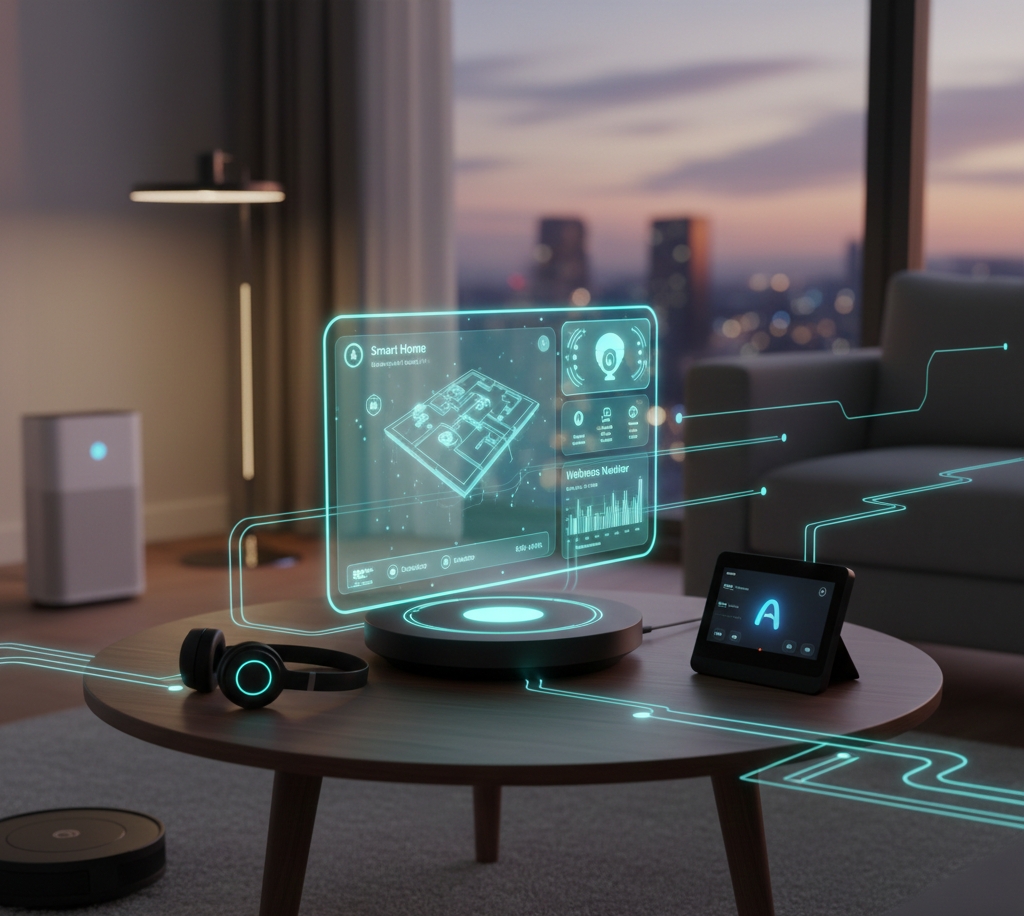
Starting a smart home requires accessible gadgets compatible with major ecosystems.
These picks suit budget-conscious users in India, focusing on INR pricing under 30,000 for core setups.
Step-by-Step Setup Guide
- Assess needs: Identify priorities like lighting or security based on your Delhi home’s layout.
- Choose a hub: Opt for Matter-compatible ones like Google Nest Hub for broad device support.
- Install devices: Connect via apps, ensuring strong Wi-Fi coverage.
- Integrate routines: Set automations, such as “good morning” activating coffee and lights.
- Test interoperability: Use apps to verify seamless control across brands.
- Secure the network: Enable guest Wi-Fi and two-factor authentication.
This process takes under two hours for basics, scaling as you add features.
Curious about Samsung’s latest innovation?
This Top Reasons to Get Excited for Samsung’s Tri-Fold Foldable article breaks down the game-changing features, design upgrades, and why this new foldable tech is worth your attention
Overcoming Common Challenges
Compatibility issues arise from ecosystem silos, but Matter resolves this by standardizing protocols. Start with certified devices to avoid fragmentation.
Privacy concerns persist with data collection; choose systems with local processing and encryption. Regular firmware updates patch vulnerabilities.
High upfront costs deter beginners—budget kits under 20,000 INR offer entry points. Long-term savings from 25-40% energy reductions justify investment.
Reliability improves in 2026 with edge computing, reducing cloud dependency for offline functionality during outages.
Energy Savings Breakdown
Smart systems excel in optimization.
- Lighting: Motion sensors cut usage by 30-50%.
- HVAC: AI thermostats save 10-20% on cooling, vital in India’s summers.
- Appliances: Smart plugs schedule off-peak operation, lowering peaks.
- Overall: Annual savings reach 2,000-5,000 INR for average homes.
Security Enhancements Explained
AI distinguishes pets from intruders, minimizing alerts. Geofencing arms systems automatically, while video analytics flag unusual activity like loitering.
Integration with neighborhood apps in urban areas like Delhi adds community watch layers. Biometrics replace keys, preventing unauthorized access.
Health and Wellness Boosts
Circadian lighting mimics sunlight, improving mood and productivity. Air purifiers activate on pollution spikes, crucial for NCR regions.
Sleep trackers under mattresses sync with routines, dimming lights post-bedtime. Wellness hubs aggregate data from wearables for habit insights.
Future-Proofing Your Setup
Invest in Matter for 2026 longevity, as it supports emerging tech like AR interfaces. Modular systems allow upgrades without full overhauls.
Explore no-code platforms for custom automations, aligning with AI interests. Certifications like Google Cloud or AWS enhance personal skills for advanced tweaks.
Cost Comparison: Smart vs Traditional
| Feature | Traditional Cost (Annual INR) | Smart Cost (Annual INR) | Savings |
|---|---|---|---|
| Electricity | 50,000 | 35,000 | 15,000 |
| Security | 10,000 (guards) | 5,000 (subscription) | 5,000 |
| Maintenance | 8,000 | 4,000 | 4,000 |
| Total | 68,000 | 44,000 | 24,000 |
Figures based on mid-sized Delhi apartments.
Frequently Asked Questions
What budget starts a smart home in India?
Basic setups cost 15,000-25,000 INR, covering hub, lights, and plugs.
Is Matter compatible with all devices?
Most 2026 models support it, ensuring future-proofing across ecosystems.
How secure are smart homes from hacks?
Use strong passwords, updates, and local AI to minimize risks.
Can automation work offline?
Edge computing enables basics without internet in newer systems.
What’s the ROI on smart thermostats?
Payback in 1-2 years via 15-20% energy savings.
Do voice assistants understand Hindi?
Yes, improved multilingual support covers regional commands.

Leave a Reply