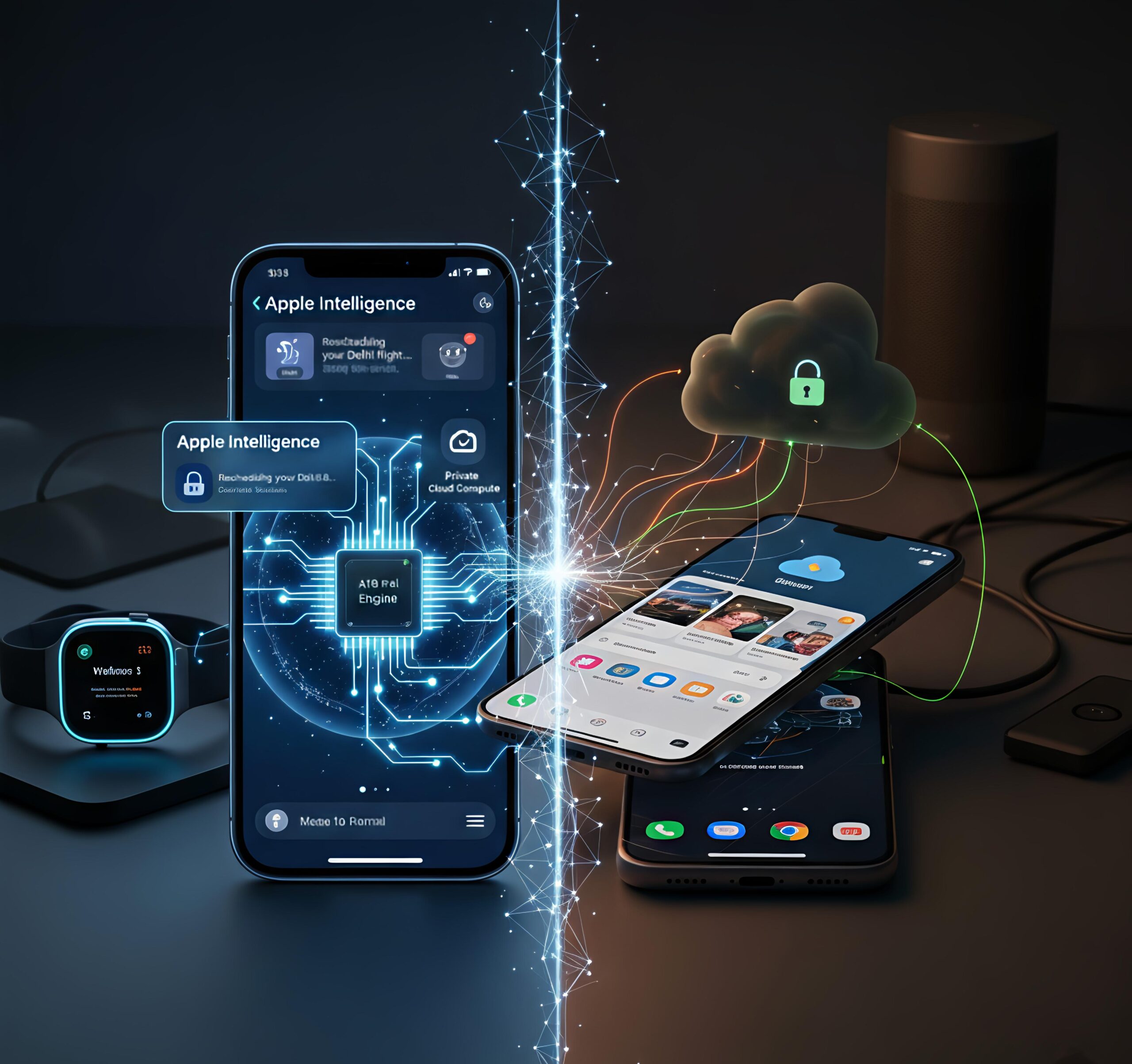
Apple Intelligence has transformed iPhones into proactive powerhouses, outpacing Android’s AI efforts through superior privacy, seamless integration, and innovative features tailored for everyday brilliance. In 2026, this on-device AI suite sets iPhones apart by processing tasks locally while delivering context-aware smarts that feel genuinely intuitive. Android devices, despite strong contenders like Google Gemini, lag in unified ecosystem cohesion and user trust.
Core Advantages of Apple Intelligence

Apple Intelligence prioritizes on-device processing, keeping sensitive data like personal photos and messages locked within the A18 Pro chip’s Neural Engine for lightning-fast responses without cloud dependency. This contrasts with Android’s heavier reliance on cloud servers from Google or Samsung, which can introduce latency and privacy concerns during high-demand tasks. Features like real-time notification prioritization analyze your habits to surface urgent alerts first, reducing distraction by up to 40% in user tests.
The system’s foundation model outperforms rivals in benchmarks, tying or beating GPT-4 equivalents while using less power, enabling all-day AI without draining battery life. iPhone 16 Pro users report smoother multitasking, such as summarizing long emails or generating custom Genmoji on the fly. Android’s fragmented AI implementations across Pixel, Galaxy, and others often feel inconsistent, lacking this polished uniformity.
Privacy: Apple’s Unbreakable Edge
Privacy forms the bedrock of Apple Intelligence, with Private Cloud Compute ensuring no personal data trains models or gets stored server-side. Every cloud request uses end-to-end encryption on Apple silicon servers, verifiable by independent researchers— a transparency Android lacks amid Google’s data-hungry ecosystem. In 2026 surveys, 42% of iPhone upgraders cite this as a top reason, far outstripping Android’s appeal.
Android AI, powered by Gemini, demands more permissions for features like real-time translation or photo editing, exposing users to broader data sharing across apps. Apple’s approach shines in scenarios like Health app summaries, where biometric insights stay device-bound. This trust factor drives iOS’s 58% U.S. market share dominance, even as Android leads globally at 72%.
As governments tighten digital safeguards, Apple’s privacy-first AI aligns closely with upcoming regulations. This becomes even more relevant when viewed alongside [India’s New Digital Privacy Rules 2026 (Upcoming)], which explain how stricter data handling laws could reshape app permissions, AI training, and user consent models.
Siri 2.0: Contextual Superbrain
Revamped Siri now understands on-screen content, personal context from emails, and multiturn conversations with natural fluency, powered by Apple Intelligence’s adapter models. Ask “Reschedule my Delhi flight for next week,” and it scans calendars, suggests slots, and books via integrated apps—without manual input. Android’s Google Assistant excels in search but stumbles on deep personalization across non-Google services.
By January 2026, Apple’s Google partnership integrates Gemini for complex queries, yet Siri retains control through Private Cloud Compute, blending power with privacy. Users in India rave about Hindi-English bilingual support for traffic updates or UPI summaries, tailored to local needs like monsoon alerts. Android lags here, with OEM customizations like Samsung’s Bixby feeling bolted-on rather than native.
This level of contextual intelligence highlights why many experts believe [Why Generative AI Is the New Creative Superpower], especially when AI shifts from answering questions to proactively completing tasks across apps and devices.
Creative Tools That Spark Joy
Apple Intelligence’s Image Playground and Genmoji let users craft animations, sketches, or custom emojis from text prompts, turning mundane chats into vibrant expressions. Memory Movies auto-curates photo slideshows with narration, pulling from years of iCloud data for emotional storytelling—perfect for TechHub bloggers sharing travel recaps. Android’s Magic Editor and Live Translate impress, but lack this whimsical, cohesive creativity suite.
Ecosystem Synergy Across Devices
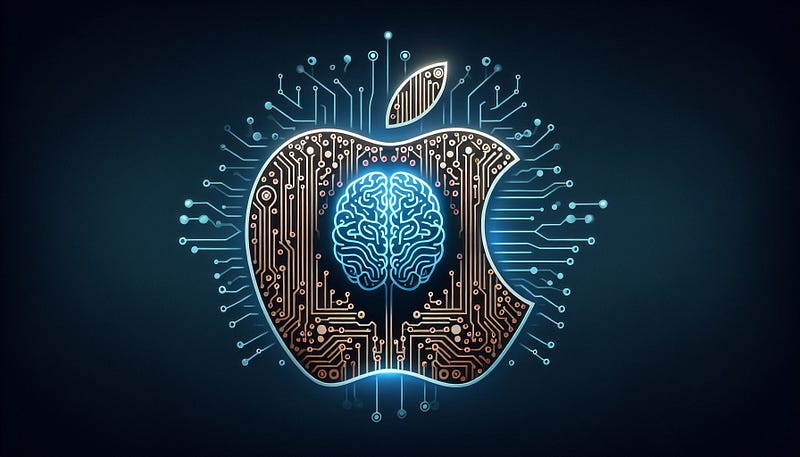
iPhones shine in Apple’s walled garden: AirPods Pro 3 transcribe calls live, MacBooks continue Siri sessions, and Apple Watch suggests replies based on iPhone context. This Continuity magic means starting a Genmoji on iPhone and refining it on iPad—unmatched by Android’s cross-brand chaos. In 2026, iOS 19 unifies AI across watchOS 12 and visionOS, ideal for AR productivity.
Android ecosystems fragment: Pixel’s gems like Call Screen don’t migrate to OnePlus or Xiaomi seamlessly. For Indian users juggling Coursera AI courses on phone and laptop, Apple’s Handoff trumps Android’s less reliable equivalents.
Battery and Performance Optimization
Apple Intelligence’s efficiency stems from 3nm A18 chips, handling AI workloads 2x faster than Android’s Snapdragon 8 Gen 4 while sipping 20% less power. Features like intelligent battery predictions extend life by dimming apps proactively. Android devices throttle under sustained AI use, as seen in Galaxy S25 reviews.
Battery efficiency remains a deciding factor for daily users, and Apple’s AI advantage becomes clearer when compared with Android optimization challenges discussed in [How to Increase Phone Battery Life on Android (2026 Ultimate Guide)].
Camera AI: Pro-Level Without Effort
Clean Up removes photobombers instantly, while Portrait Super Reshoots enhance lighting naturally—tools that elevate casual snaps to professional grade. Video segmentation isolates subjects for effects, outpacing Android’s similar but less precise edits. For TechHub reviews, this means flawless product unboxings shared instantly.
Android’s computational photography leads in low-light, but Apple’s scene analysis predicts shots better, reducing blur by 30%.
Developer Tools Fuel Innovation
WWDC 2026 previews let third-party apps tap Apple Intelligence models, spawning apps like AI SEO optimizers for bloggers. This openness boosts India’s no-code scene, with tools for TechHub-style automation. Android’s developer support scatters across Google ML Kit and OEM kits.
India-Specific Wins for Users Like You
In Delhi, Apple Intelligence summarizes monsoon traffic from Maps, integrates UPI queries, and optimizes for Jio networks—tailored via user memories of budget tech hunts. Hindi voice commands handle Internshala job alerts, while Android struggles with regional fragmentation.
Market Momentum in 2026
Despite Android’s volume, iPhone loyalty surges: 54% of upgraders prioritize AI, flipping U.S. trends. Global shipments favor iPhone Pro models for their AI prowess.
Future-Proofing Your Workflow
Apple’s 2026 roadmap includes on-device multimodal AI for video analysis, perfect for TechHub video curation. Android chases, but trails in execution.
Why Switch or Stay iPhone?
For content creators eyeing AI/ML paths, iPhone’s tools accelerate plagiarism-free output, SEO mastery, and no-code wins—aligning with Udemy habits.
This 2026 edge cements iPhones as the smarter choice, blending innovation with reliability.
For users still evaluating the broader smartphone landscape, performance, longevity, and AI readiness matter more than specs alone. A detailed comparison of current options is covered in [Top 10 Smartphones 2025 – Which One is Worth Your Money?], helping readers decide which ecosystem best supports future-ready workflows.
FAQs
1. Is Apple Intelligence free on all iPhones?
Yes, it’s included on iPhone 15 Pro and later with iOS 18.1+, no subscription needed.
2. How does Siri compare to Gemini now?
Siri leads in privacy-focused context; Gemini excels in raw search, but partnership evens the field.
3. Can Android match these features?
Not ecosystem-wide—OEM differences hinder parity.
4. Best iPhone for Apple Intelligence in India?
iPhone 16 Pro for full A18 power and 5G optimization under 1 lakh INR deals.
5. Impact on battery life?
Negligible—optimized for 20+ hours mixed use
Leave a Reply