
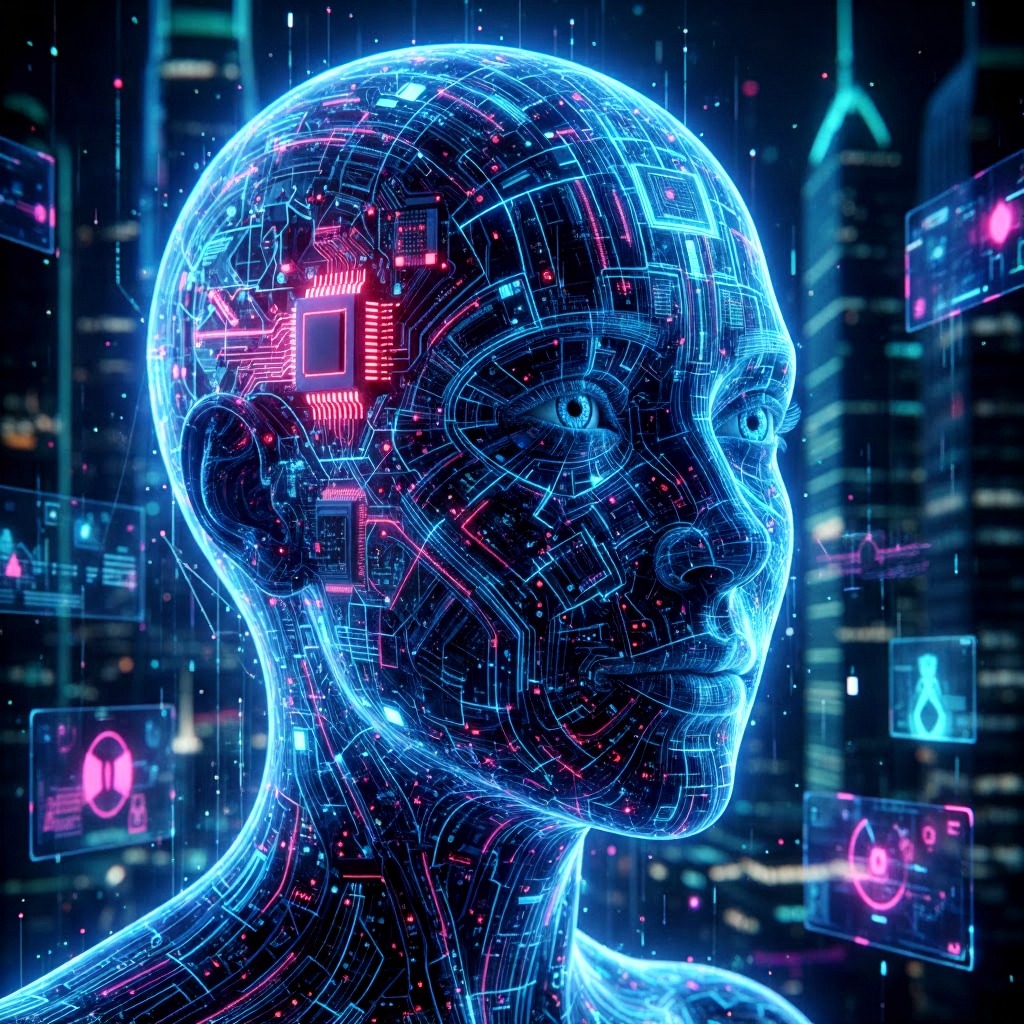
AI avatars are rapidly emerging as one of the most transformative forces in artificial intelligence, blending cutting-edge tech with human-like interactions. Imagine a digital version of yourself handling meetings, teaching classes, or entertaining audiences while you sleep. These virtual representations powered by generative AI aren’t just gimmicks—they’re reshaping industries from customer service to entertainment. In this in-depth guide, we’ll explore what AI avatars are, their real-world applications, benefits, challenges, and why they’re poised to dominate the AI landscape in 2026 and beyond.
What Are AI Avatars?
At their core, AI avatars are hyper-realistic digital humans created using advanced AI models, including generative adversarial networks (GANs), natural language processing (NLP), and deep learning algorithms. Unlike static images or basic chatbots, these avatars converse naturally, mimic facial expressions, and adapt to user inputs in real-time.
Think of them as your personal digital twin. Tools like Synthesia or HeyGen allow users to input text or voice, generating avatars that speak in any language with customizable appearances. The magic happens through multimodal AI, which processes video, audio, and text simultaneously. For instance, diffusion models generate lifelike skin textures and lip-sync, while large language models (LLMs) like those behind GPT ensure coherent dialogue.
In India, where multilingual support is key, AI avatars shine by supporting Hindi, Tamil, and regional dialects—making them ideal for localized content on platforms like TechHub.
The Evolution of AI Avatar Technology
AI avatars didn’t appear overnight. Their roots trace back to early 2000s virtual assistants like Microsoft’s Clippy, but explosive growth came with 2020s breakthroughs in generative AI.
- Early Foundations (2010s): Computer vision pioneers like DeepFaceLab enabled face-swapping, laying groundwork for realistic animations.
- Generative Boom (2020-2023): Stable Diffusion and DALL-E revolutionized image generation, extending to video with models like Sora.
- 2024-2026 Surge: Real-time rendering via NVIDIA’s Omniverse and cloud-based APIs democratized access. Now, startups offer “avatar-as-a-service” for under $10 per minute of video.
Today, edge computing ensures low-latency interactions, even on budget smartphones popular in markets like Pimpri, Maharashtra. This evolution positions AI avatars as the next big thing in artificial intelligence, outpacing wearables and AR glasses in adoption speed.
As governments tighten digital safeguards, Apple’s privacy-first AI aligns closely with upcoming regulations. This becomes even more relevant when viewed alongside [India’s New Digital Privacy Rules 2026 (Upcoming)], which explain how stricter data handling laws could reshape app permissions, AI training, and user consent models.
Real-World Applications of AI Avatars
AI avatars are already live across sectors, proving their versatility. Here’s how they’re making an impact:
Customer Service and Sales
Companies like Tata Digital use AI avatars for 24/7 support, reducing wait times by 70%. An avatar greets customers in their native language, troubleshoots issues, and upsells products—boosting conversion rates. For e-commerce in India, where call centers cost a fortune, this slashes expenses while handling festive season spikes.
Education and Training
Platforms like Byju’s experiment with AI tutors that personalize lessons. Students interact with avatars resembling friendly mentors, improving retention by 40% per recent studies. Aspiring tech entrepreneurs can create avatar-led courses on Udemy or Coursera, scaling knowledge without fatigue.
Content Creation and Marketing
For bloggers like you at TechHub, AI avatars generate video reviews or explainer series. Input a script on “best TWS under 2500 INR,” and watch your avatar demo products dynamically. Brands like Flipkart use them for personalized ads, increasing engagement by 3x.
Entertainment and Gaming
In Bollywood-inspired metaverses, AI avatars star in interactive films. Roblox and Decentraland host millions of user-generated avatars powered by AI, blurring lines between player and NPC.
Healthcare and Therapy
AI avatars assist in mental health apps, offering empathetic counseling. During India’s post-pandemic telehealth boom, they’ve reduced no-show rates by simulating doctor visits.
These applications highlight why AI avatars represent the future of AI avatars in everyday life.
Key Benefits of AI Avatars
Adopting AI avatar technology delivers tangible advantages, especially for cost-conscious creators and businesses.
- Scalability: One avatar serves unlimited users simultaneously, perfect for global reach without hiring armies of actors.
- Cost Savings: Producing a 5-minute video costs pennies versus thousands for traditional shoots. Indian startups save up to 80% on marketing.
- Personalization: Avatars analyze user data to tailor responses, enhancing loyalty. E.g., an AI avatar on your blog could recommend cloud computing courses based on reader history.
- Accessibility: They break language barriers and enable inclusive content for visually impaired users via voice synthesis.
- 24/7 Availability: No breaks, holidays, or burnout—ideal for India’s dynamic startup ecosystem.
Challenges and Ethical Concerns
No tech is perfect. AI avatars face hurdles that innovators must address.
Technical Limitations
Current models struggle with nuanced emotions or accents, leading to “uncanny valley” effects. High-quality rendering demands robust GPUs, though cloud solutions like AWS are closing the gap.
Privacy and Deepfakes
Misuse for scams or non-consensual videos is rampant. India’s IT Rules 2021 mandate watermarking, but enforcement lags. Solutions include blockchain-verified avatars.
Job Displacement
Customer service reps and voice actors worry about obsolescence. Yet, AI creates roles in prompt engineering and avatar design—skills you’re building.
Bias in Training Data
Avatars often reflect Western biases. Indian developers are countering this with diverse datasets featuring South Asian features.
Overcoming these will solidify AI avatars as ethical powerhouses.
Top AI Avatar Tools and Platforms in 2026
Ready to experiment? Here are beginner-friendly, budget options aligned with your interests:
| Tool | Key Features | Pricing (INR) | Best For |
|---|---|---|---|
| Synthesia | 100+ languages, custom avatars | Starts at 1,500/month | Marketing videos |
| HeyGen | Real-time lip-sync, templates | Free tier; Pro ~2,000/month | Blog content |
| D-ID | Photo-to-avatar in seconds | Pay-per-minute (~50) | Quick reviews |
| Replika | Conversational AI companion | Free with premium upsell | Personal use |
| NVIDIA Audio2Face | Emotion-driven animations | Free SDK | Developers |
The Future of AI Avatars: Trends to Watch
By 2027, AI avatars will integrate with AR glasses and brain-computer interfaces, enabling holographic meetings. Expect:
- Emotional Intelligence 2.0: Avatars reading micro-expressions for deeper empathy.
- Metaverse Dominance: Decentralized avatars owning digital real estate.
- Regulatory Frameworks: Global standards like EU AI Act influencing India.
- Sustainability: Energy-efficient models reducing carbon footprints.
For users still evaluating the broader smartphone landscape, performance, longevity, and AI readiness matter more than specs alone. A detailed comparison of current options is covered in [Top 10 Smartphones 2025 – Which One is Worth Your Money?], helping readers decide which ecosystem best supports future-ready workflows.
In cloud computing, AWS and Google Cloud will host “avatar farms” for enterprises. For aspiring entrepreneurs, this means launching AI avatar agencies— a lucrative no-code venture.
AI avatars are undeniably the next big thing in artificial intelligence, fusing creativity with efficiency. From revolutionizing your content strategy to powering India’s tech boom, their potential is limitless. As we step into 2026, embracing them positions you ahead of the curve.

Leave a Reply