
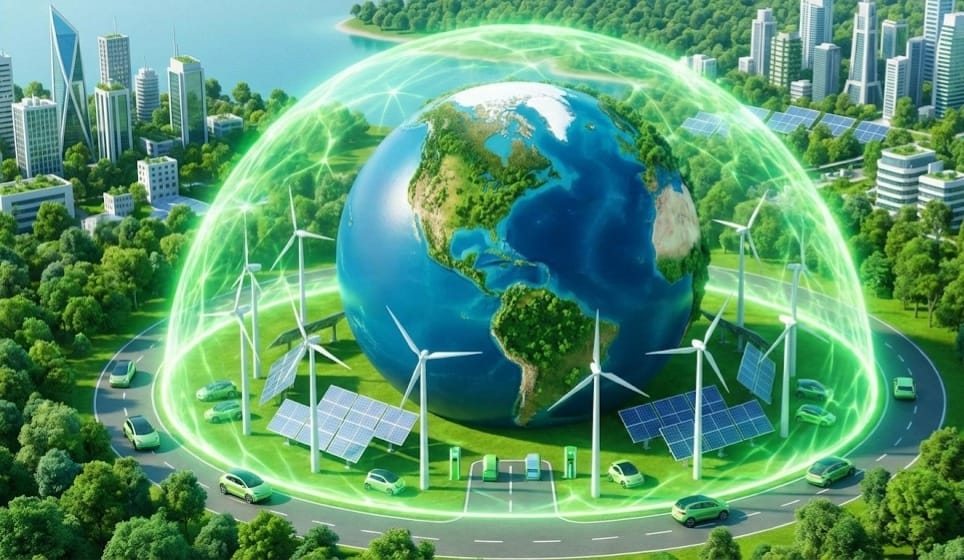
Green technology harnesses innovation to combat climate change and resource depletion, positioning itself as a transformative force for planetary health. Often dubbed the “new planet-saving superpower,” it empowers sustainable living through clean energy, efficient systems, and eco-friendly materials. This shift promises not just environmental rescue but economic vitality and healthier societies.
Defining Green Technology
Green technology encompasses tools, processes, and systems designed to minimize environmental harm while maximizing resource efficiency. Core pillars include renewable energy sources like solar panels and wind turbines, which generate power without fossil fuel dependency. Advanced materials such as biodegradable plastics and energy-storing batteries further amplify its scope, enabling circular economies where waste becomes raw material.
These innovations prioritize low carbon footprints and biodiversity preservation. For instance, precision agriculture uses AI-driven sensors to optimize water and fertilizer use, slashing runoff pollution by up to 30 percent in pilot farms worldwide. By integrating biology with engineering—think algae bioreactors that capture CO2—green tech redefines human impact on Earth.
🌱 New to sustainable innovation?
Explore how clean energy, circular economy, and climate technologies are shaping the future →

Tackling Climate Change Head-On
Rising global temperatures demand urgent action, and green technology delivers scalable solutions. Solar photovoltaic systems now convert sunlight into electricity at costs 89 percent lower than a decade ago, powering homes and grids renewably. Wind farms offshore harness steady ocean breezes, generating gigawatts that rival coal plants without emissions.
Carbon capture and storage (CCS) tech pulls CO2 from industrial smokestacks, sequestering it underground or repurposing it into fuels. Innovations like direct air capture machines, scaling rapidly in facilities across Europe and North America, remove ambient greenhouse gases at unprecedented rates. These tools mitigate extreme weather, from floods to droughts, by stabilizing atmospheric chemistry.
These climate-focused innovations are part of a broader wave of technological breakthroughs that are redefining how societies prepare for the future and manage global challenges.
Energy Revolution Unleashed
Traditional energy reliance on oil and coal accelerates planetary distress, but green alternatives flip the script. Hydropower advancements, including run-of-river systems, produce clean electricity without massive dams disrupting ecosystems. Geothermal plants tap Earth’s core heat for baseload power, operating 24/7 unlike intermittent solar.
Battery breakthroughs, such as solid-state lithium variants, store surplus renewable energy, solving intermittency issues. Vehicle-to-grid tech lets electric cars feed power back to homes during peaks, creating resilient networks. This energy democracy reduces blackouts and fossil imports, fostering self-sufficient communities.
Smart energy systems rely heavily on interconnected technologies like artificial intelligence, IoT sensors, and ultra-fast connectivity, which together are powering the next global technology revolution.
Boosting Economic Superpowers
Green technology drives job creation and GDP growth, proving sustainability pays dividends. The global renewables sector employed over 12 million people in 2024, outpacing fossil fuels in new hires. Investments in smart grids and efficiency retrofits yield returns through lower utility bills and prolonged infrastructure life.
Nations adopting green policies, like Denmark’s wind leadership, export tech expertise, bolstering trade balances. Bioeconomy ventures turn agricultural waste into biofuels and bioplastics, spawning rural enterprises. Long-term, these shifts avert trillions in climate disaster costs, channeling funds into innovation hubs.
Everyday Wins for Health and Ecosystems
Beyond macrosystems, green tech enhances daily life. Smart thermostats learn habits to cut home energy use by 20 percent, improving air quality indoors. Vertical farming in urban towers uses hydroponics to grow food locally, slashing transport emissions and ensuring fresh produce year-round.
Water purification via nanotechnology filters contaminants without chemicals, safeguarding supplies in arid regions. Reforestation drones plant millions of trees annually, restoring habitats and boosting carbon sinks. These interventions curb pollution-linked diseases, from asthma to cardiovascular issues, extending lifespans globally.
Innovation Frontiers Ahead
Emerging green marvels push boundaries further. Hydrogen fuel cells power heavy industry and aviation emission-free, with green electrolysis splitting water using renewables. Nanotech coatings on buildings self-clean via sunlight, reducing maintenance and urban heat islands.
AI optimizes supply chains, predicting demand to minimize overproduction waste. Ocean wave converters and tidal barrages unlock marine energy potential, untapped yet vast. Space-based solar arrays beam wireless power to Earth, promising limitless clean supply.
Barriers and Breakthrough Strategies
Challenges persist: high upfront costs deter adoption in developing economies, and policy gaps slow scaling. Supply chain bottlenecks for rare earth minerals in batteries demand recycling loops. Yet, public-private partnerships accelerate progress—tax credits and subsidies drop solar prices, while international accords enforce standards.
Circular design principles ensure products last longer and disassemble easily. Community solar programs democratize access, letting renters benefit without rooftops. Overcoming inertia requires education and incentives, turning skeptics into advocates.
As green infrastructure becomes increasingly digital, protecting renewable grids and smart systems from cyber threats is just as important as expanding clean energy adoption itself.
Real-World Success Stories
Iceland runs 100 percent on renewables, blending geothermal and hydro for near-zero emissions. Morocco’s Noor solar complex powers a million homes, exporting surplus to Europe. Singapore’s vertical gardens and smart water grids thrive in density, inspiring megacities worldwide.
California’s EV mandates cut transport emissions 40 percent since 2010, spurring Tesla’s rise. These models prove green tech scales across cultures and climates, yielding replicable blueprints.
Future Roadmap to Supremacy
By 2050, green technology could halve global emissions if scaled aggressively. Fusion energy prototypes near viability promise infinite clean power. Biotech engineers microbes to devour plastics, closing waste loops.
Policy must align: carbon pricing and green bonds fund R&D. Consumer choices amplify impact—opting for energy-star appliances or plant-based diets eases planetary load. Collective action positions green tech as humanity’s ultimate superpower.
Empowering Global Action
Individuals spark change via apps tracking personal carbon footprints, guiding greener habits. Businesses integrate ESG metrics, attracting investors. Governments legislate boldly, from plastic bans to net-zero targets.
This synergy transforms threats into triumphs, securing a vibrant planet. Green technology isn’t optional—it’s the force rewilding Earth, revitalizing economies, and safeguarding generations.
Leave a Reply