
Introduction: The Rise of a New Kind of Power
In an era where the world runs on data, cybersecurity has become the backbone of digital civilization. Every click, transaction, and message you send travels through vast networks filled with potential risks. Technology has made life more convenient, but it has also opened the door to new forms of theft, espionage, and warfare.
The guardians of this new frontier are not soldiers or politicians—they are cybersecurity professionals, programmers, and systems that defend the world against invisible enemies. In the 21st century, cybersecurity is not just a technical requirement—it’s the new digital superpower that defines global strength, economic stability, and personal safety.
The Evolution of Cyber Threats and Digital Dependence
The world’s digital transformation has outpaced our ability to secure it. Every industry—from banking to healthcare, education to government—depends on digital infrastructure. As dependency grew, so did vulnerability.
In the early days of the internet, cyber threats were mostly curiosity-driven—hackers breaking into systems to prove their skill. Today, attacks are targeted, profit-driven, and often politically motivated. Ransomware gangs, state-sponsored hackers, and organized cybercriminal networks have turned digital crime into a trillion-dollar industry.
- Ransomware attacks now target hospitals, police departments, and corporations alike.
- Data breaches expose millions of records each year, leading to identity theft and financial losses.
- Phishing schemes trick even the smartest users by mimicking trusted brands and individuals.
- Nation-state attacks are used to influence elections, disrupt defense systems, and steal intellectual property.
As the threats evolved, cybersecurity transformed from a niche IT concern into a core national security issue.
👉World Economic Forum – Global Cybersecurity Outlook
https://www.weforum.org/reports/global-cybersecurity-outlook/
Cybersecurity and National Power
In traditional geopolitics, nations competed with armies and weapons. In today’s digital world, cyber power defines geopolitical influence. Powerful nations no longer need to send troops; they deploy malware, bots, and misinformation campaigns.
Cyber espionage allows governments to collect intelligence from adversaries silently. Cyberattacks can disrupt power grids, communication networks, and even financial systems. The ability to defend against and execute cyber operations has become as crucial as military strength.
Countries like the United States, China, and Russia invest billions in building cyber capabilities. Smaller nations are also building cyber defense units to protect sovereignty. The cyber battlefield is global, invisible, and continuous.
The new arms race is not about who controls nuclear weapons—but who controls information, algorithms, and networks. This shift marks why cybersecurity is the true digital superpower of the modern age.
The Economic Impact of Cybersecurity
The digital economy thrives only when people trust it. Without cybersecurity, that trust collapses. Businesses depend on secure networks to manage payments, store customer data, and handle internal operations. One successful breach can destroy a brand’s reputation, cost millions, and erode public confidence.
According to industry reports, the global cost of cybercrime is projected to exceed $10 trillion annually by 2027. For comparison, that’s larger than the GDP of most countries combined. This staggering figure demonstrates how digital security failures can have global economic consequences.
At the same time, the cybersecurity industry itself has become a powerhouse, creating millions of jobs worldwide. There’s a growing demand for ethical hackers, penetration testers, and network defenders. Every company, regardless of size, needs cybersecurity solutions—cloud-based protections, endpoint detection, intrusion prevention, and secure data storage.
This booming sector not only protects the digital economy but fuels it, making cybersecurity one of the fastest-growing and most crucial industries on the planet.
AI, Automation, and the Cyber Arms Race
Artificial intelligence (AI) and machine learning have revolutionized cybersecurity—but also made threats more sophisticated. AI systems can detect anomalies in network behavior within milliseconds, far faster than human analysts. Automated defenses now isolate suspicious activity, block malicious traffic, and predict potential breaches using big-data analysis.
However, the same tools are available to cybercriminals. AI-driven attacks can adapt to security measures, create deepfake videos for fraud, and automate social engineering through chatbots designed to mimic human behavior.
This ongoing AI-driven cyber arms race forces defenders to innovate continuously. The organizations that lead in AI-driven security hold a distinct advantage, making AI-powered cybersecurity a superpower multiplier in the global digital landscape.
Cybersecurity and Personal Privacy
Cybersecurity is not only about nations and corporations—it’s deeply personal. Our smartphones, laptops, and wearable devices contain intimate details about our lives. Every social media post, online purchase, or GPS check-in creates a data trail.
When this information falls into the wrong hands, consequences can be devastating—identity theft, blackmail, or reputational harm. The rise of digital surveillance, both governmental and corporate, adds another layer of complexity.
Cybersecurity has become the last line of defense protecting individual privacy and digital freedom. With data breaches becoming more frequent, individuals must adopt good security hygiene:
- Use strong, unique passwords or password managers.
- Enable two-factor authentication wherever possible.
- Keep devices and software updated.
- Avoid clicking on suspicious links or attachments.
Empowering individuals with cybersecurity awareness transforms them from weak links into active defenders. In this sense, security awareness is a form of digital literacy—and a cornerstone of modern citizenship.

The Role of Cybersecurity in Business Strategy
In the past, cybersecurity was treated as a cost—something to minimize. Today, it’s a strategic asset. Companies with robust cybersecurity frameworks gain customer trust, demonstrate compliance, and reduce long-term operational risk.
Corporate leaders now understand that cybersecurity drives business resilience. Investors, partners, and regulatory bodies evaluate security postures before contracts or mergers. A company known for its strong cybersecurity culture gains a competitive advantage, standing out as reliable and future-ready.
Additionally, cybersecurity-driven innovation fosters new fields such as Zero Trust Architecture, quantum-safe encryption, and cyber insurance. These advancements are reshaping how organizations approach risk and resilience.
In many ways, cybersecurity has become the cornerstone of corporate reputation.
Education and Workforce Empowerment
The world faces a severe shortage of cybersecurity professionals. Estimates suggest that by 2025, there will be more than 3.5 million unfilled cybersecurity jobs globally. This talent gap is both a challenge and an opportunity.
Educational institutions are responding by introducing cybersecurity curricula, certifications, and hands-on training programs. Many organizations are also upskilling existing employees, recognizing that security is a shared responsibility—not just the IT department’s concern.
Empowering a new generation of cybersecurity experts ensures a safer digital future. Programs that encourage diversity in tech—bringing in more women and underrepresented groups—strengthen creativity and resilience in cybersecurity teams.
The Ethical Dimension of Cybersecurity
As technology advances, ethical questions emerge. What counts as legitimate cyber defense versus offensive action? How should governments balance digital surveillance with privacy rights? Where does ethical hacking end and intrusion begin?
Cybersecurity professionals must navigate these moral gray zones carefully. Creating global norms for digital behavior—similar to international laws for warfare—is becoming essential.
Ethical cybersecurity not only fosters trust but prevents misuse of powerful tools. As automation and AI take greater roles, the human moral compass becomes an even more critical superpower in ensuring technology serves humanity, not harms it.
The Future: Quantum Computing and Beyond
Looking ahead, the next frontier in cybersecurity will be quantum computing. Quantum computers have the potential to break current encryption standards within seconds, making traditional cryptographic methods obsolete.
To counter this, researchers are developing quantum-resistant encryption algorithms designed to safeguard data even in a post-quantum world.
We are entering a phase where the cyber landscape changes faster than any regulation or technology can keep up. The real superpower will belong to those who can innovate, adapt, and secure systems proactively rather than reactively.
Future cybersecurity will focus on predictive defense, behavioral analytics, and autonomous response systems that can act in real-time with minimal human intervention.
Cybersecurity as the Foundation of Digital Civilization
Just as electricity fueled the industrial age, trust and security fuel the digital age. Without cybersecurity, every technological advancement—from self-driving cars to smart cities—would collapse under the weight of vulnerability.
Cybersecurity ensures that human progress continues safely. It protects the integrity of elections, the functionality of hospitals, and the confidentiality of communication. It enables digital transformation while maintaining societal stability.
More importantly, cybersecurity inspires digital confidence—the belief that we can innovate without fear. As societies adopt technologies like blockchain, IoT, and 5G, robust cybersecurity is what keeps the entire digital ecosystem thriving.
Conclusion: Power in the Age of Code
In the 20th century, superpowers were defined by their armies, economies, and nuclear arsenals. In the 21st century, the new superpowers are defined by cyber intelligence, digital defense, and data sovereignty.
Cybersecurity is more than technology—it’s about trust, ethics, and resilience. It shapes the balance of power, drives economic stability, and protects individual freedom. Those who control cybersecurity don’t just protect themselves—they shape the entire digital world.
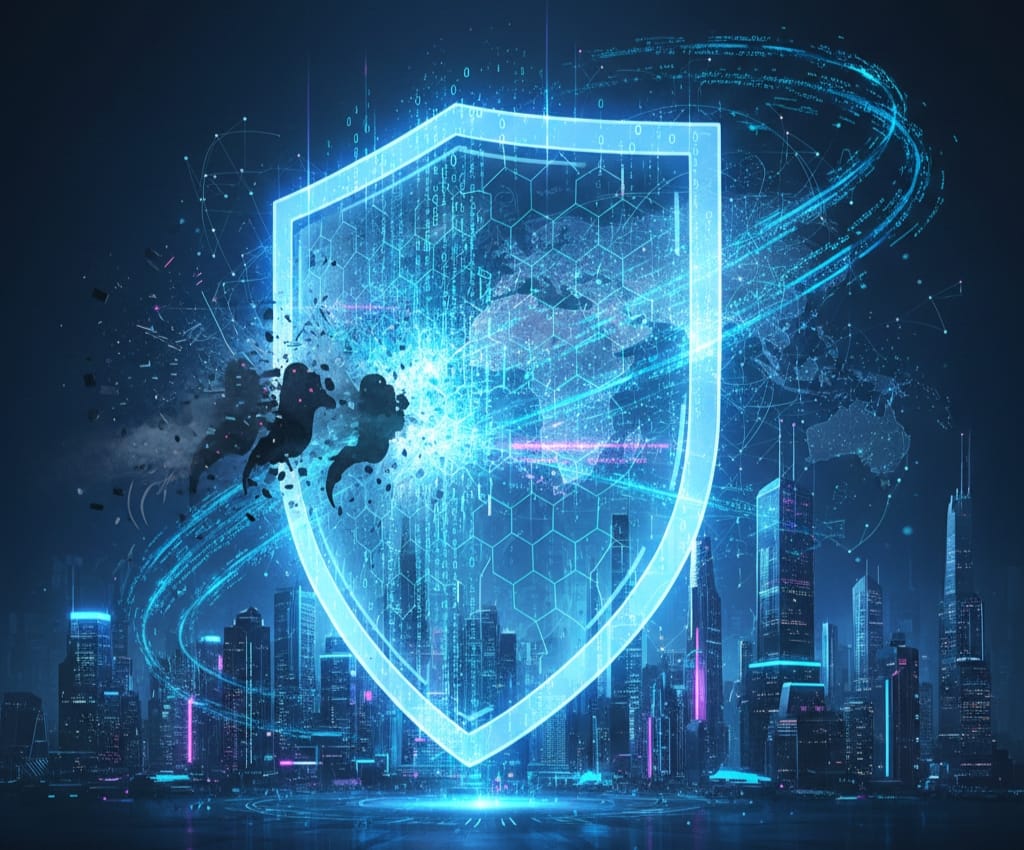
In this sense, cybersecurity isn’t just a shield; it’s a source of power—the new superpower that defines the digital era.
Leave a Reply