
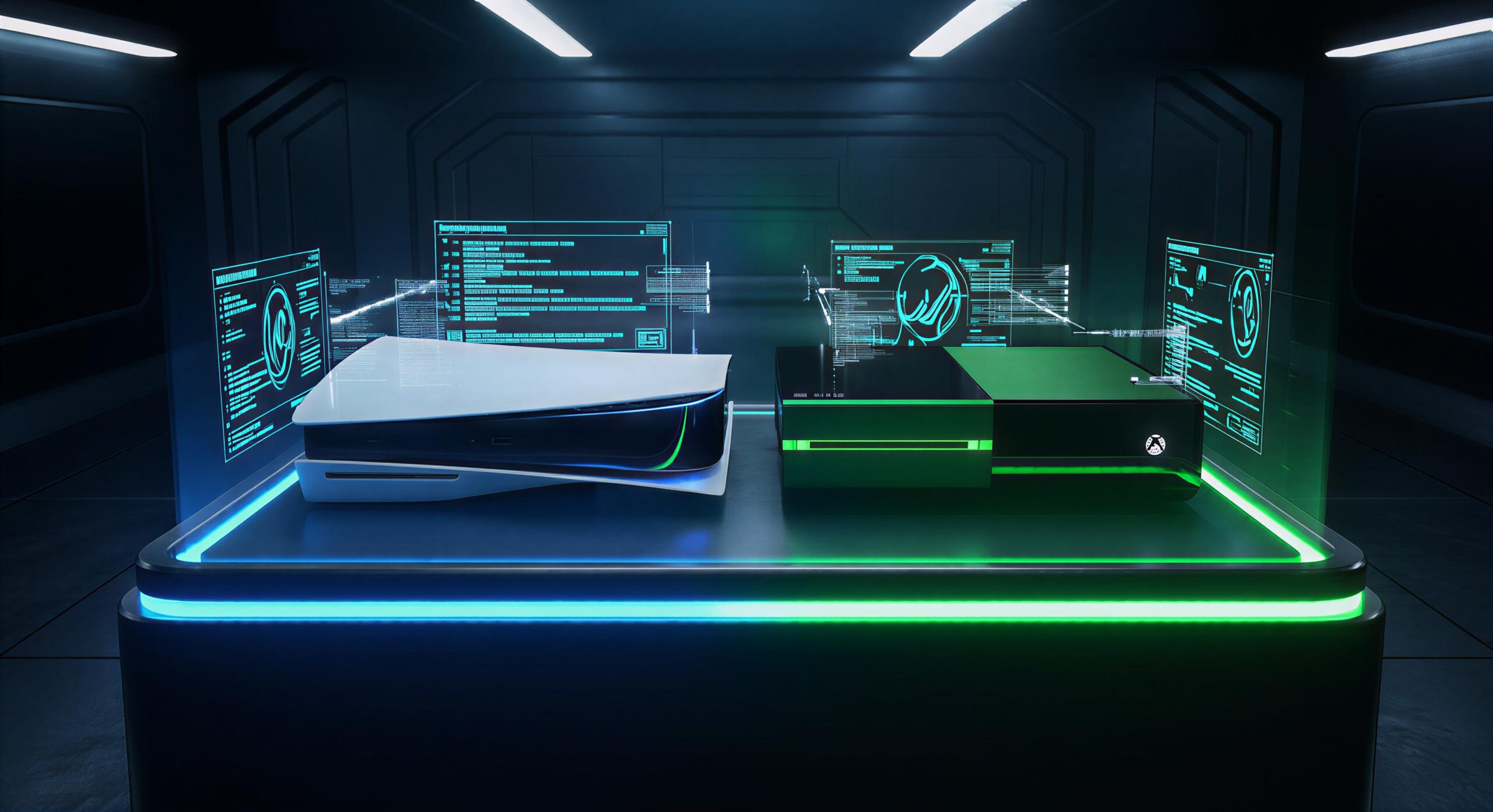
PlayStation 6 and Xbox Series Z stand as the most anticipated next-generation gaming consoles, with industry leaks and historical patterns pointing to launches around late 2027. This timeline follows the standard seven-year cycle from PS5 and Xbox Series X/S in 2020, allowing developers ample time to craft blockbuster titles while pushing hardware boundaries with AI, ray tracing, and cloud integration. Gamers can expect official teases in 2026, with holiday 2027 retail availability barring supply chain hiccups.
The roadmap and innovations behind next-gen consoles closely align with broader tech breakthroughs of 2025 and beyond, shaping what consumers can expect from future hardware.
PS6 Release Expectations
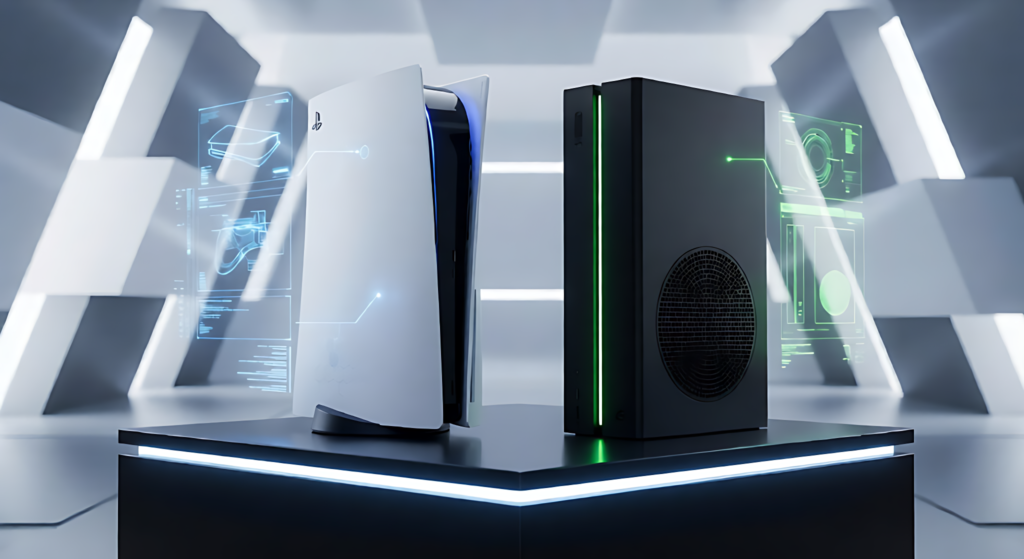
Sony’s PlayStation 6, codenamed Orion, targets a late 2027 debut, aligning with production ramps in early-to-mid 2027 as per reliable insiders like KeplerL2 and Moore’s Law Is Dead. This fits Sony’s rhythm: PS4 in 2013, PS5 in 2020, and PS5 Pro in 2024, ensuring PS5 remains viable through cross-gen support. A digital edition might price at $549, emphasizing affordability amid rising chip costs, while a rumored PS6 Portable hybrid could expand portability like Nintendo Switch but with PlayStation polish.
Delays to 2028 remain possible if advanced features like Neural Arrays or Universal Compression demand extra refinement, as hinted by architect Mark Cerny. Community forums debate 2027’s feasibility, citing PS5’s strong sales and limited exclusives, but leaks affirm Sony’s momentum. Pre-orders could open summer 2027, prioritizing regions like Asia for manufacturing efficiency.
Xbox Series Z Release Outlook
Microsoft’s next console, potentially branded Xbox Series Z or Project Magnus, mirrors PS6 timing for late 2027, leveraging shared AMD tech for competitive edge. Leaks describe Magnus as a premium powerhouse with superior GPU, faster SSDs, and expanded RAM, possibly costing $600+ to appeal to enthusiasts over mass-market buyers. This positions it faster than PS6 in raw specs, integrating deeply with Game Pass Ultimate for cloud-streamed day-one titles.
Court documents from Microsoft’s Activision acquisition already forecasted 2027-2028 synergy, avoiding fragmentation from GTA 6’s late 2026 drop. Xbox’s strategy blends hardware with ecosystem growth, extending current-gen life via backward compatibility and Quick Resume enhancements.
Hardware Innovations Ahead
Next-gen power surges promise 50%+ gains over PS5 Pro and Series X, driven by custom AMD APUs with dedicated AI cores for dynamic scaling, path-traced lighting, and procedural worlds. PS6 focuses on efficiency and immersion, including PlayStation VR3 support with eye-tracking and haptic suits. Xbox Series Z prioritizes velocity architecture for seamless 4K/120fps or 8K/60fps, plus modular storage slots.
Sustainability upgrades feature low-power modes, recycled plastics, and firmware that optimizes thermals based on usage. Both ensure full backward compatibility, with AI upscaling breathing new life into legacy libraries.
Software Ecosystem and Launch Titles
Launch success hinges on exclusives: Sony preps God of War Ragnarök sequel, Horizon adventures, and live-service hits like a new The Last of Us multiplayer. Microsoft counters with Halo infinite evolutions, Fable reboot, and Forza horizons, all day-one on Game Pass. Cross-gen titles like GTA 6 bridge eras, potentially enhanced for next-gen post-launch.
AI revolutionizes development, auto-generating assets and balancing multiplayer lobbies in real-time. Cloud hybrids mean playing AAA games on phones or TVs without downloads, with progress syncing across devices. Expect 2026 reveals at Summer Game Fest or Tokyo Game Show.
Market Challenges and Availability
PS5 shortages taught lessons; both giants stockpile via diversified suppliers, but tariffs, geopolitics, and demand could spark scalping. Pricing strategies differ: Sony undercuts for volume, Microsoft premiums for margins. Regional rollouts favor North America/Europe for holidays, Asia shortly after.
Economic factors like inflation push costs up 10-20% from launch-gen, yet bundles with games or subs sweeten deals. Eco-initiatives include carbon-neutral shipping and trade-in programs extending PS5/Xbox lifespans to 2030+.
Competitive Rivalry Benefits Gamers
Sony-Microsoft duopoly accelerates innovation: PS6’s accessibility vs. Series Z’s horsepower creates choice. Handhelds erode couch-only play, while PC parity via DirectX evolves. Nintendo’s Switch 2 (2025) adds pressure, fostering cross-play standards.
If you’re tracking the next wave of technology launches, it’s also worth exploring how top smartphones of 2025 compare as personal gaming, streaming, and cloud-play devices.
GTA 6 anchors 2026-2027, with next-gen patches unlocking full fidelity. Forums question rushed cycles, but PS5 Pro proves mid-gen bridges gaps effectively.
Broader Gaming Evolution
2027 ushers hybrid eras: consoles as AI hubs predicting playstyles, generating custom quests, or translating chats live. Mixed reality fuses AR overlays on TVs, letting families co-op in living rooms. Subscription models dominate, with ownership shifting to access.
Sustainability mandates recyclable designs and energy-efficient chips, appealing to Gen Z. Esports booms with low-latency 5G/Wi-Fi 7, hosting global arenas. Indies thrive via unified stores, democratizing tools.
Preparation Tips for Gamers
Maximize current gen: snag PS5 Pro or Series X refresh bundles now. Build libraries with cross-buy titles. Monitor State of Play/Xbox showcases starting mid-2026. Budget $600-800, factoring subs. Trade-ins via Best Buy/GameStop recover 40-50% value.
For portables, eye PS6 handheld leaks versus Steam Deck 2. Cloud trials like PS Plus Premium preview streaming futures. Join Reddit communities for real-time intel.
Long-Term Industry Shifts
Post-2027, expect 10-year supports with annual upgrades, blurring console/PC lines. AI shortens dev to 2-3 years per title, flooding markets with variety. Metaverse integrations create persistent worlds across franchises.
By 2030, gaming rivals Hollywood budgets, with neural interfaces teased. Yet, core joys—storytelling, competition—endure. 2027 isn’t “too soon”; it’s perfectly timed for tech maturity.
Track earnings calls: Sony/Microsoft fiscal hints confirm paths. This duo’s synergy promises golden eras ahead.
Leave a Reply